A laboratory with people inside
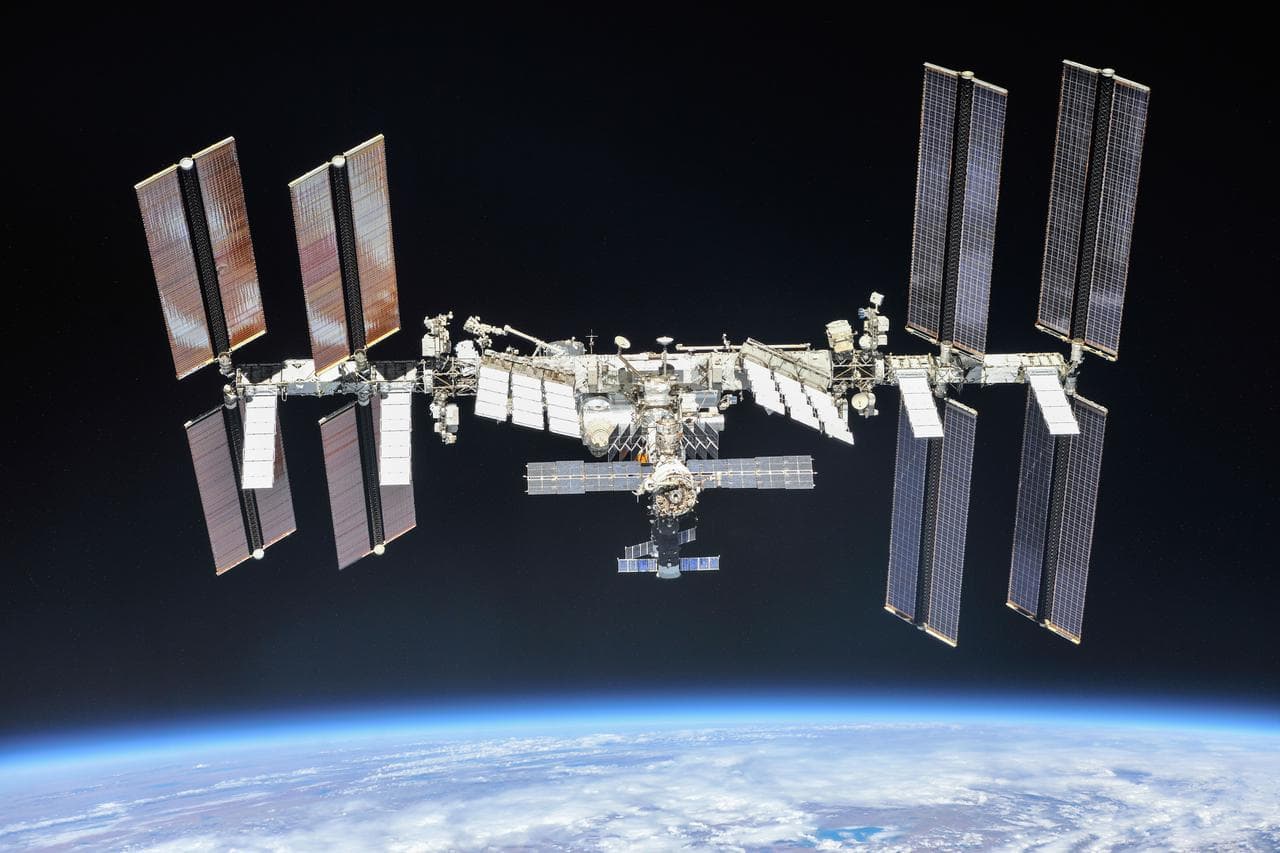
The International Space Station is not simply a destination. It is a place where crews maintain equipment, conduct experiments, repair systems and learn to work away from Earth. Assembly began in 1998. Continuous human occupation began on 2 November 2000.
That distinction matters. A spacecraft can arrive somewhere spectacular and leave. A working station has to keep supporting people through the ordinary days in between. Water, air, communications, spare parts and research all have to keep moving.
A plan, not a fixed goodbye
NASA currently plans to operate the station through 2030. That is an operational planning horizon, not an announced date for a last crew photograph or a final orbit. The transition depends on safety, international cooperation and the readiness of future destinations.
NASA is supporting commercial space-station development so that research and other activity can continue in low Earth orbit. A proposal is not the same thing as an operating laboratory: design, testing, launch and sustained operations still need to happen.
What the next generation inherits
The useful inheritance is not just hardware. It is experience: operating life-support systems, organizing research, coordinating teams across borders and learning how people respond to a demanding environment.
You do not have to be an astronaut to care about that work. Software, manufacturing, medicine, science and mission operations are all parts of keeping a spacecraft useful. Start with a question you can investigate or a small system you can build.
The end of a particular station does not make its knowledge disappear. What happens next depends on what people do with it.
Keep the uncertainty in view
This page does not count down to an exact deorbit date. Follow the official transition plan for updates, and treat future station timelines as plans until the relevant milestones are achieved.