The human story / International Space Station
Someone has been up there.
Since 2 November 2000, the ISS has been continuously occupied. A generation has grown up with a laboratory above Earth.
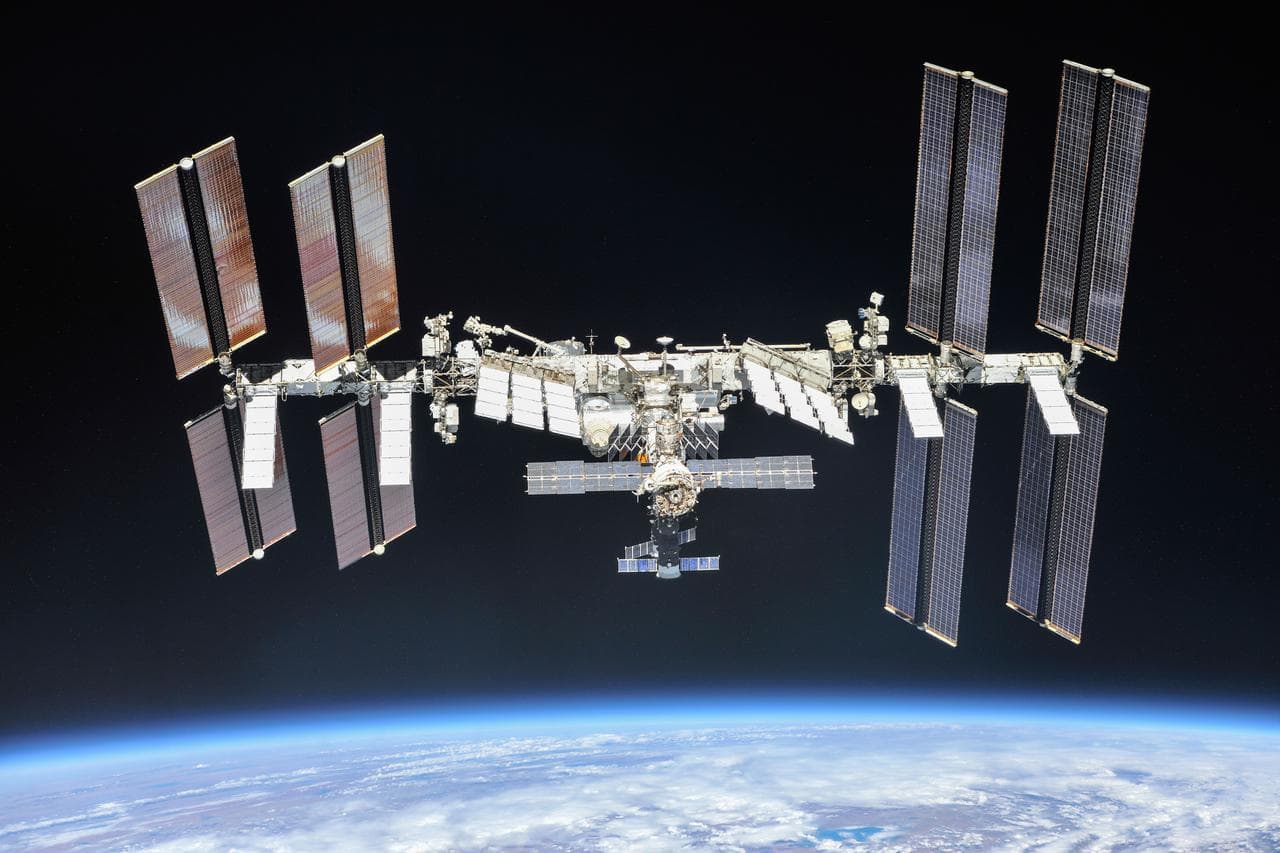
1998 / Assembly begins
Not a single launch. A shared undertaking.
The first module launched in 1998. The station grew through launches, assembly work and international cooperation. The people maintaining it are as much a part of the story as the structure itself.
2000 / Continuous occupation
The ordinary work of living away from home.
Research needs working equipment, power, clean air and careful procedures. The station is a laboratory, a home, and a system that people keep running.
The current plan / Through 2030
A planning horizon. Not an exact last orbit.
NASA currently plans ISS operations through 2030 while supporting commercial destinations in low Earth orbit. Future stations must still be developed and operated; the transition is not a guaranteed timetable.
What comes next
The station ends. Human presence in orbit does not have to.
Hardware has a lifetime. Knowledge can travel further. The next systems need scientists, technicians, software, medical research and teams that can keep learning.
Follow the generation relay ↗Sources / Checked 5 October 2026
NASA — ISS reference ↗NASA — Current transition plan ↗NASA — Commercial destinations ↗A source-guided documentary introduction prepared with AI assistance. No exact deorbit date is asserted.